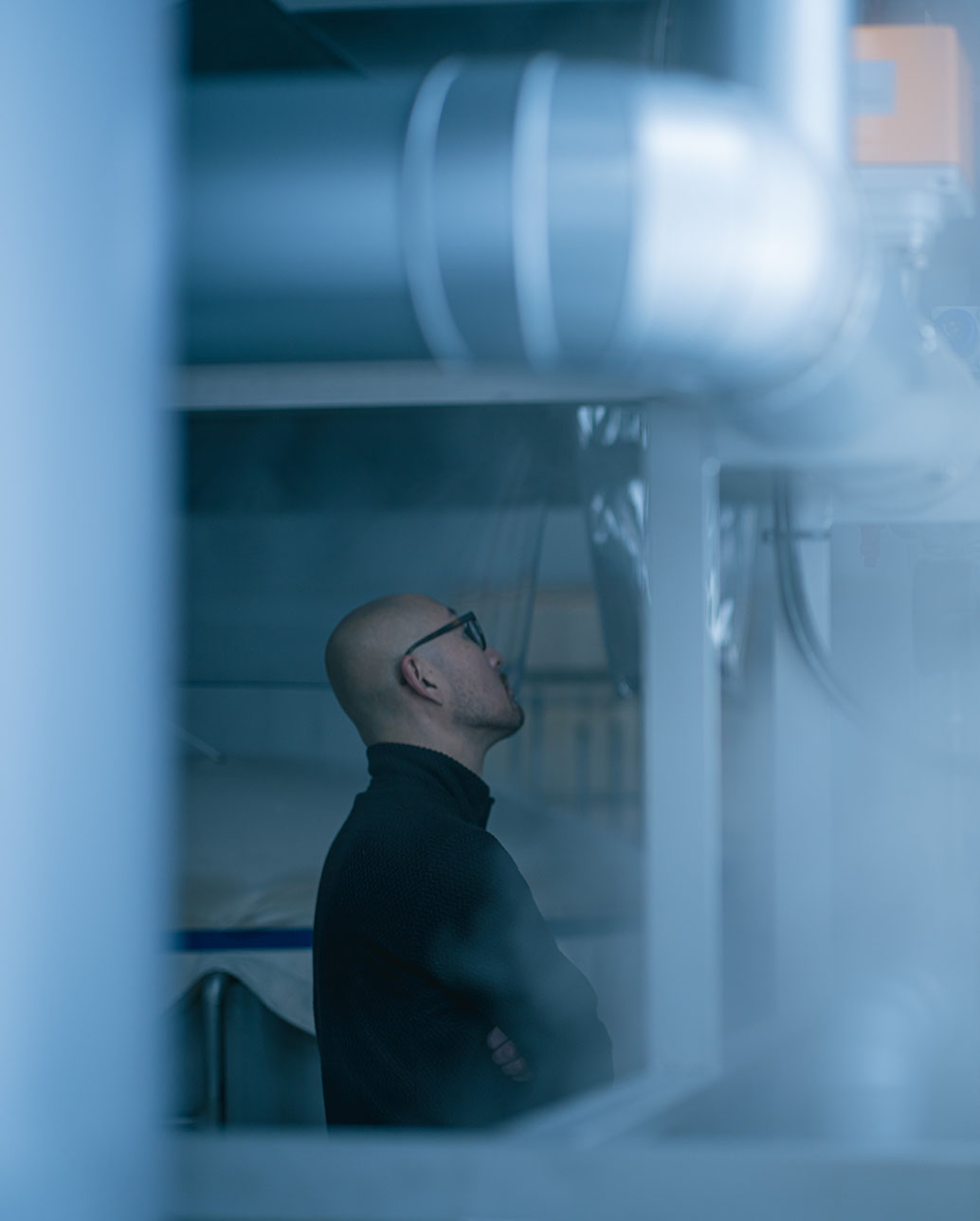
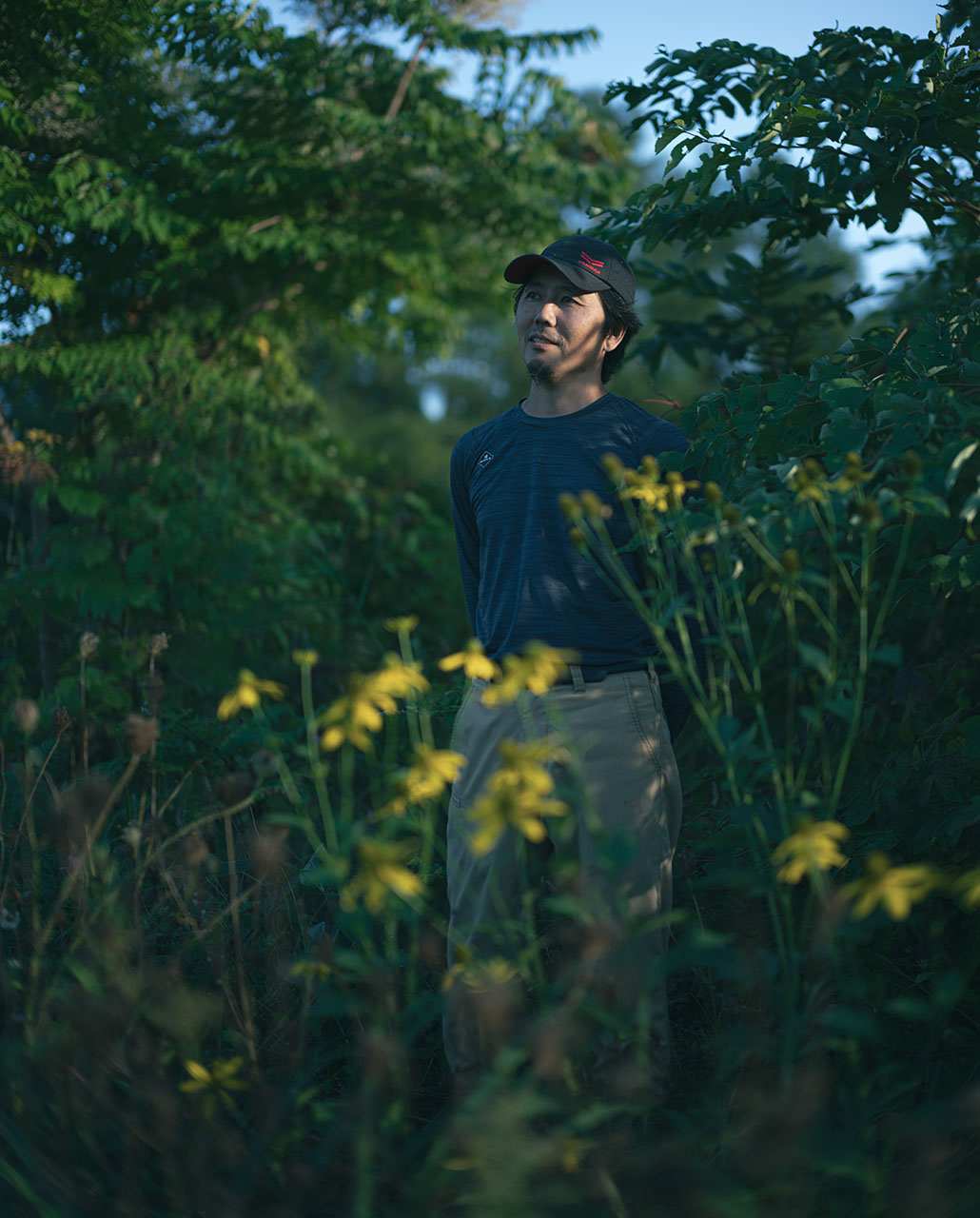
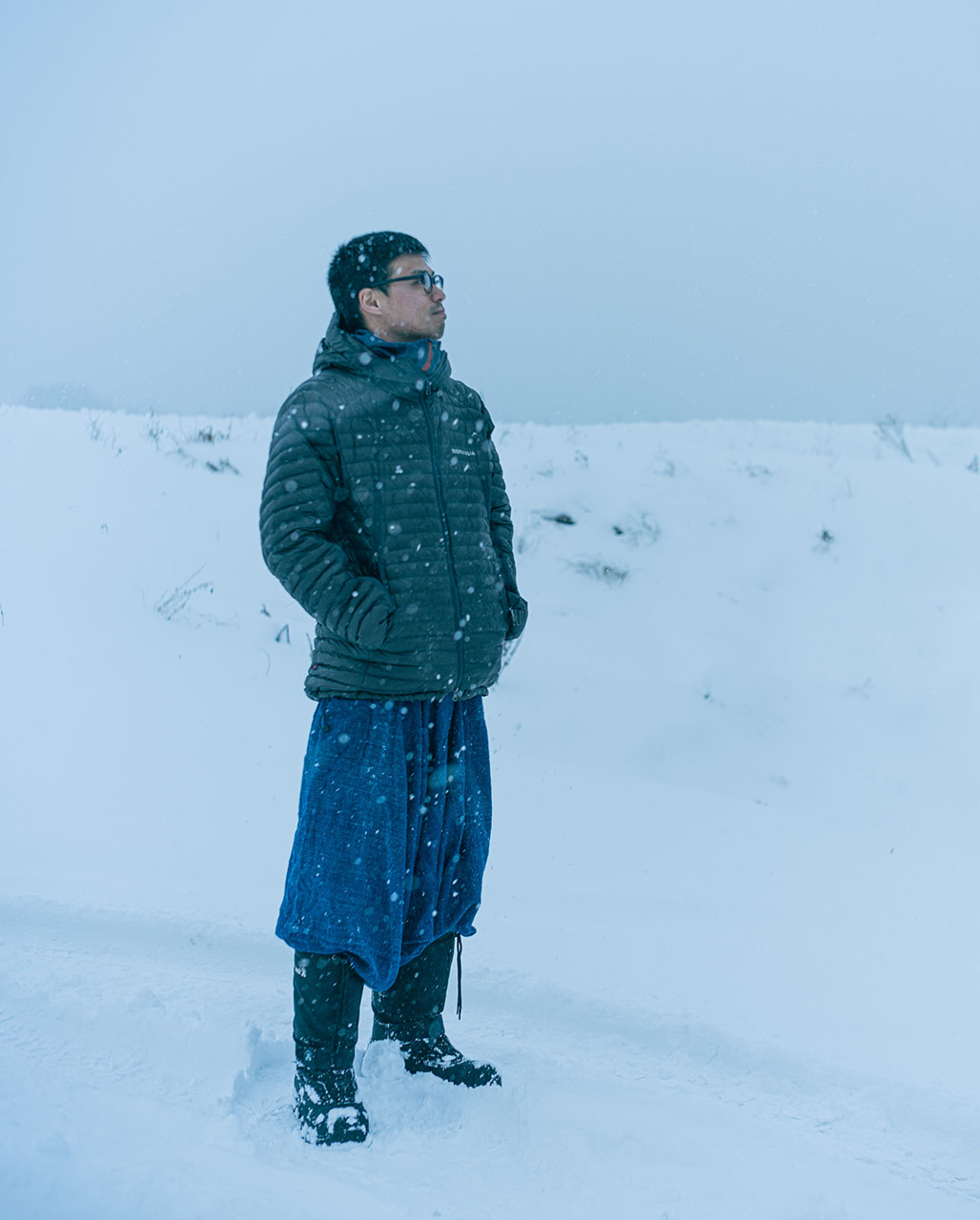
To build a brewery in Rankoshi Town – a place with which he had no prior connection, the cooperation of forest specialists was essential. After relocating, Kitahara and his wife, Machiko, began gathering information, spending long hours searching online. Among the initiatives that caught their attention was Forest and Town School (https://www.moritomachi.school), which works to encourage people from urban areas to take an interest in forests. The school is directed by Jinnouchi. Across Hokkaido, Jinnouchi works to balance forest regeneration with forestry, while creating beautiful landscapes and developing places where people can learn and engage through play and experience. He is someone who takes on these challenges directly from the forest itself, working on the ground, at the forest site.
Kitahara: We first connected via Instagram and held our initial meeting online. In October 2023, we walked through the forest together, where he explained the different tree species growing there, the forest’s formation, and the surrounding terrain.
Jinnouchi: Many forests in Hokkaido were logged during the settlement period, cut down 1 to 3 times and then left untouched for around 60 years. The land where Mori No Brewery now stands was likely left undeveloped for nearly 80 years. With numerous streams and significant changes in elevation, it wasn’t suitable for rice paddies, which is probably why development was postponed. We found a great spot.
Kitahara: I was struck by the dynamic way the trees were growing. I was also drawn to the flow of the water – because where there is flow life settles in and diversity begins to flourish.
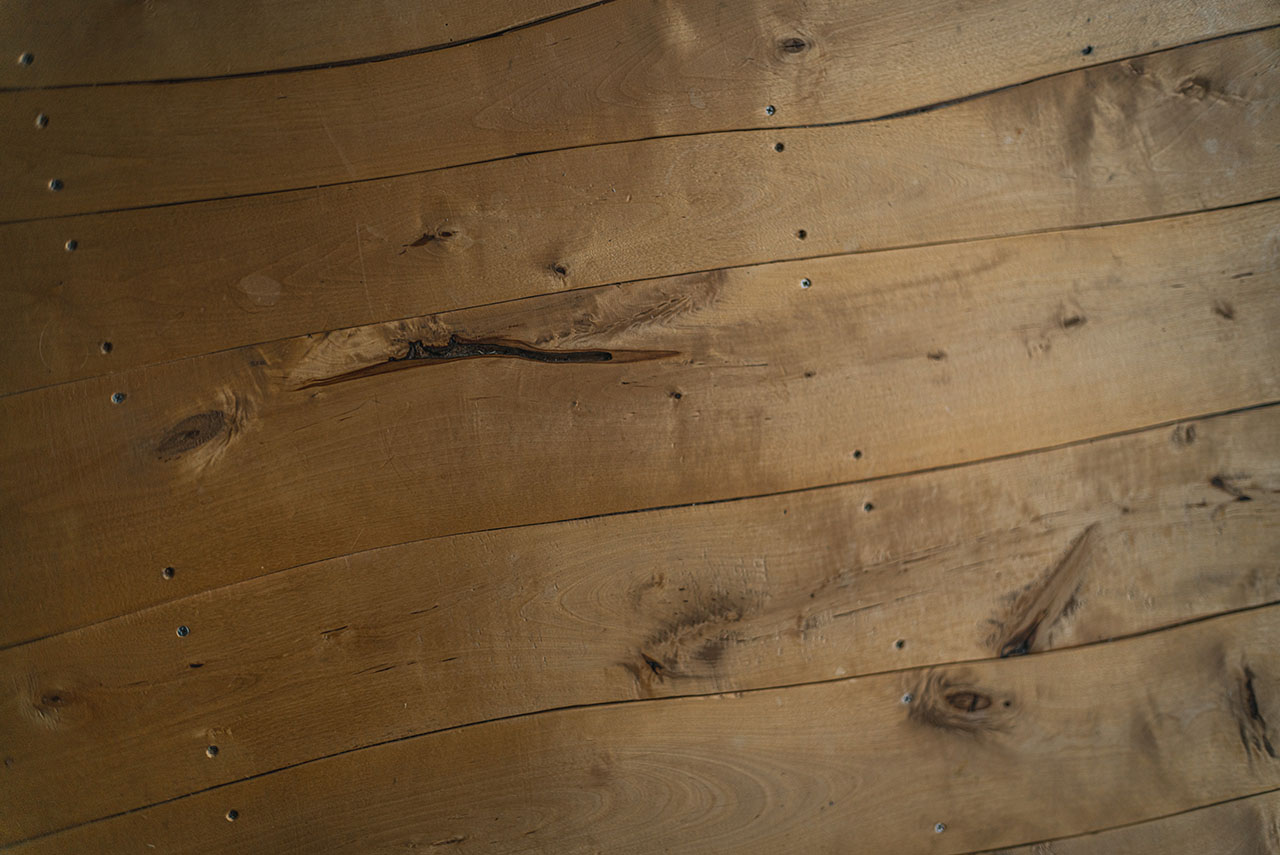
Where in this forest should the brewery be built? Jinnouchi was involved from the very beginning, taking part in the site layout planning. The location was determined in balance with nature, with the foremost priority being the preservation of large, mature trees that would become the backbone of the forest 300 years into the future. He was also involved in site preparation and the processing of felled timber, adhering firmly to the principle that “any wood cut down for construction should not be discarded, but used in its entirety”.
Jinnouchi: Having a woodcutter join the construction site and have that work recognized was truly a rare and valuable opportunity. I felt it would be ideal if the brewery looked as though it had simply been placed, plopped, right in the middle of the forest. I proposed not cutting down all the trees near the road, instead preserving the thick, mature ones and slightly adjusting the angle of the building. Many of the trees that were felled were fast-growing species such as white birch and Japanese poplar. Some had been damaged by insects, hollowed out from within, and were already nearing the end of their natural lifespan. These trees were milled and repurposed for interior finishes, furniture, cutlery, and firewood. We also took on the site preparation ourselves, calling on as many fellow woodcutters as possible to help. Normally, topsoil is stripped away and lawns are laid, but that process discards the topsoil altogether. Instead, we transplanted the bamboo grass and tree stumps attached to the topsoil onto the prepared land, using them in place of new plantings. Our aim was site preparation that discarded nothing already there and brought in nothing from outside.
Kitahara: The main reason I asked Mr. Jinnouchi to work with us was my belief that nurturing the forest and passing the sake brewery on to the next generation are inseparably connected. My family’s brewery carries a history that dates back to 1750, and I feel as though I have inherited that baton. In Rankoshi, I am the first generation – but to pass that baton forward in the same way, the forest itself must first be healthy and abundant. If this forest were to be lost, I believe the brewery would lose its very reason for being.
Jinnouchi: Seen through the forest’s eternal timeline, my involvement is only a fleeting moment. Even so, while I am alive, I want to put every foundation in place – ways of thinking, management techniques, funding and relationships with the local community. So that the forest can be sustainably cared for for the next three hundred years. A brewery existing within such a forest would be incredibly compelling. The sake brewed there would surely taste different. If the forest becomes rich, then the water and the soil improve as well. And when the time comes to renovate the brewery, there will be good trees ready to be used. People will emerge who want to create something new from that wood. I believe this kind of virtuous cycle can be born.
Kitahara: At present, the brewery is newly built, so no microorganisms have yet taken hold. But as we continue brewing sake, microorganisms will gradually begin to settle in. It may take time, but once we reach that stage, it will become possible to brew sake using microorganisms nurtured by the forest itself. For that to happen, creating an environment in which those microorganisms can live and thrive is essential.
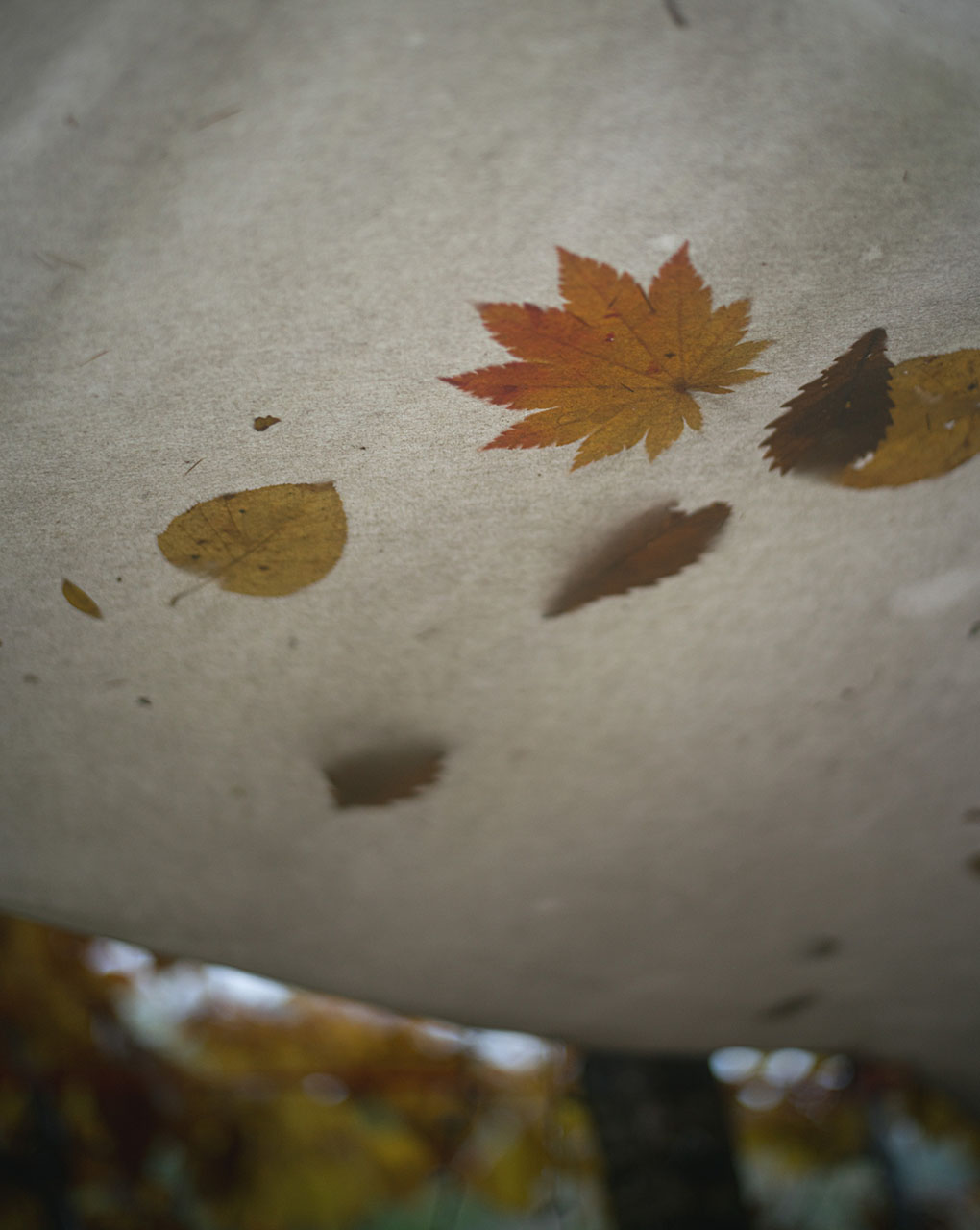
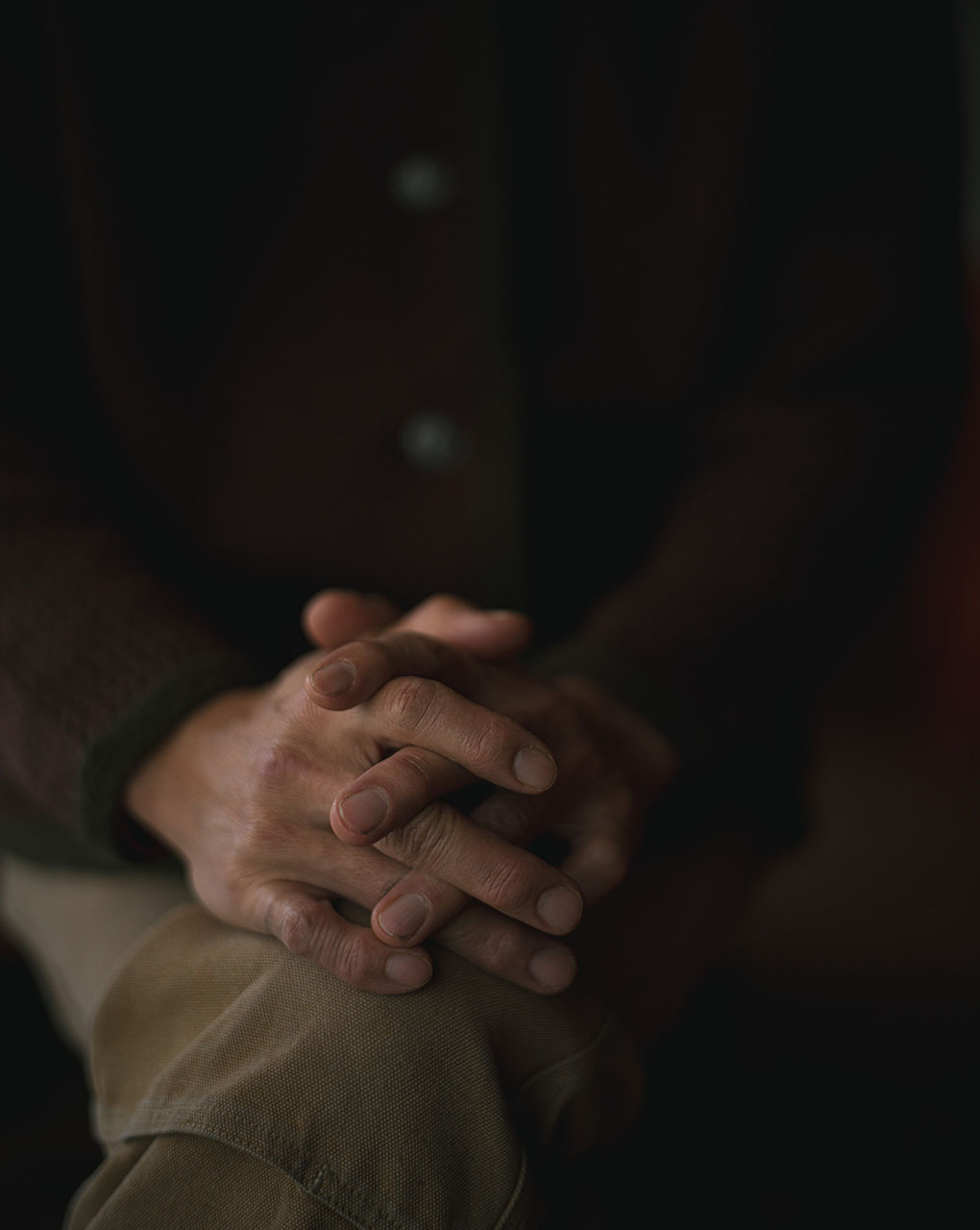
In April 2024, while snow still lingered on the grounds of Mori No Brewery, large horses appeared in the forest. What took place was horse logging – the transport of felled timber by horse. At the suggestion of Jinnouchi’s wife, Masako, the Nishino Horse Logging team, based in Atsuma Town, came to work in this forest.
Although horse-based timber transport was largely replaced by heavy machinery in the mid-Showa period, it remains widely practiced in Europe today as an environmentally friendly form of forestry that coexists with nature.
Kitahara: I truly feel glad that we went through with this. We reached out to the head of the town’s Board of Education in advance, which allowed us to invite local children to take part. More than simply remembering that a sake brewery was built, I wanted them to hold onto memories like “I fed carrots to the horses in the forest” or “I helped pull the trees”. Watching those moments unfold, the parents observing nearby couldn’t help but smile as well.
Jinnouchi: The horse-logging team was delighted to have the opportunity to connect with local residents. It was especially striking to hear people from the town say things like “I used to do that by myself” or “I’ve still got the tools – I can help”. Long-dormant skills and tools were brought back into the light, and grandfathers became heroes once again.
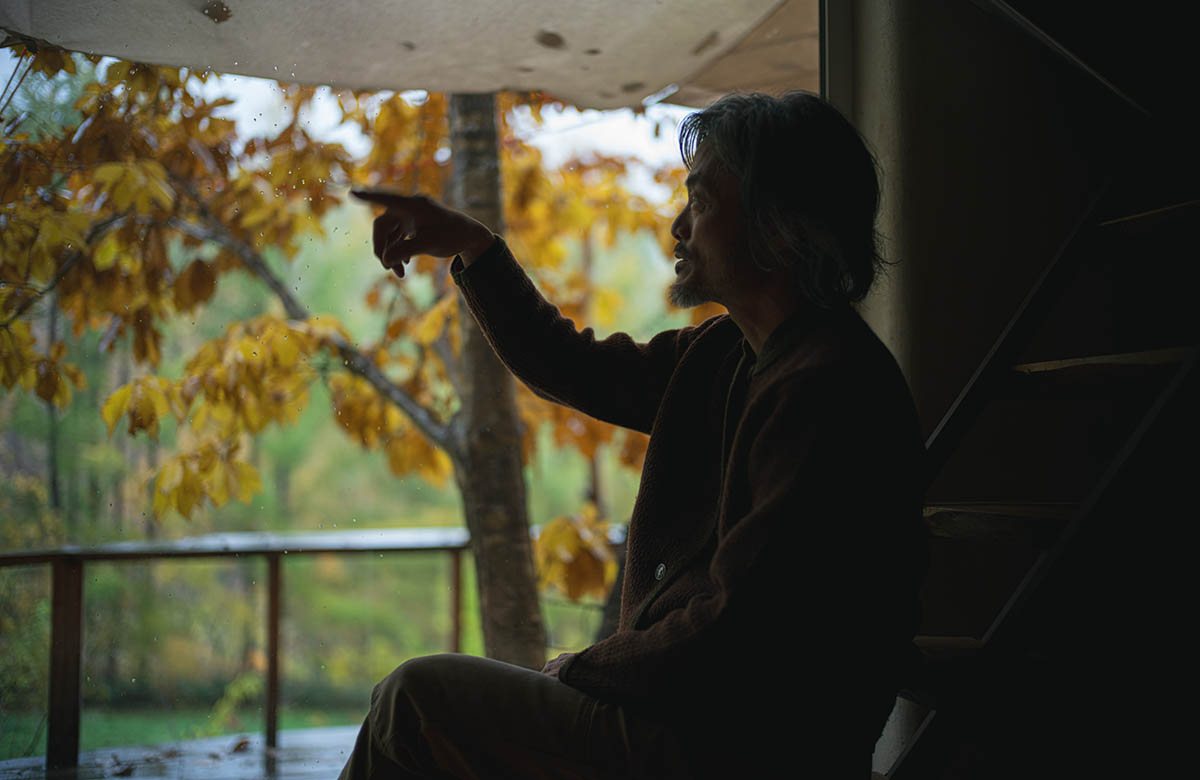
About an hour’s drive from Mori No Brewery is the town of Niki, where Jinnouchi built a a cottage for exclusive rental called “CORONTE” in the forest in 2023. Conceived as a place where people can gather in the woods, draw on the forest’s gifts, and spend time playing and talking together, CORONTE embodies that wish. In many ways, it resonates deeply with the philosophy of Mori No Brewery.
Jinnouchi: We built CORONTE within a small forest because we wanted to create a model in which lasting economic activity could emerge from the forest without cutting all the trees down. In that sense, Mr. Kitahara’s forest is protected precisely because a brewery was built there. The brewery generates economic activity, and the revenue from that activity, in turn, is used to care for and preserve the forest. It is a relationship that raises the value of the sake while simultaneously increasing the value of the forest itself. My hope is to restore the forest to the state it was in before development. As it returns to its natural condition, tourism will flourish and the possibilities for engagement will expand – taking photographs, gathering nuts and wild plants, and making use of high-quality timber. It may take hundreds of years. But if we do not begin now, nothing will ever begin. In Europe, there is a shared understanding that preserving forests benefits the nation as a whole. In Japan, forestry has developed in the opposite direction, which leaves no choice but for private initiatives to take the lead. I have long wanted to change the way forestry is approached in Japan.
Kitahara: This resonates deeply with me. For a long time, I have carried questions and challenges about the process of making Japanese sake. I have felt that we need to engage more seriously with rice cultivation, commit ourselves to the living organisms in the paddy soil and turn our attention back to what lies at our very foundation. Mr. Jinnouchi wants to change the world of forestry, I want to change the world of sake brewing. Even though our fields are different we are firmly connected at the roots. Going forward, the brewery will welcome a wide range of visitors – sake retailers, restaurant chefs and many others. When they come, we won’t simply talk about producing “Sparkling Sake” with local rice. We will begin the conversation with the forest. That is precisely what gives us the potential to become truly unique – one of a kind.
Jinnouchi: If it’s delicious, pesticide-free, good for your body, and helps protect both rice fields and forests – what more could you ask for? It’s the kind of sake you’d say ‘This is the one for a toast!’ A true woodcutter-approved drink.

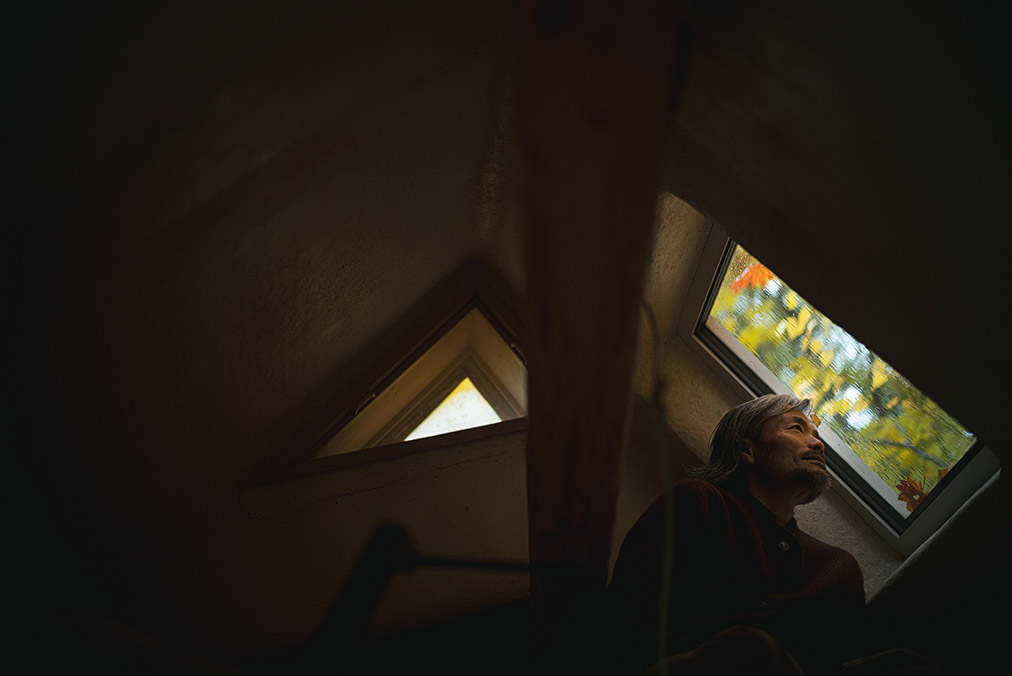
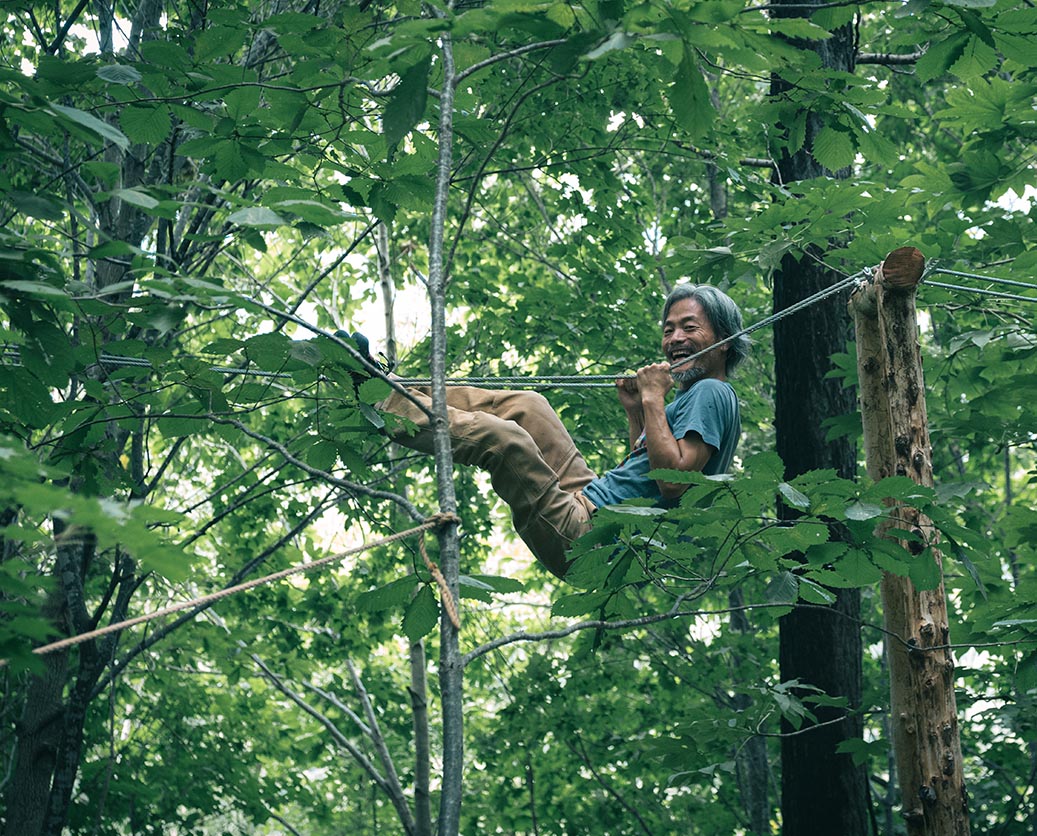
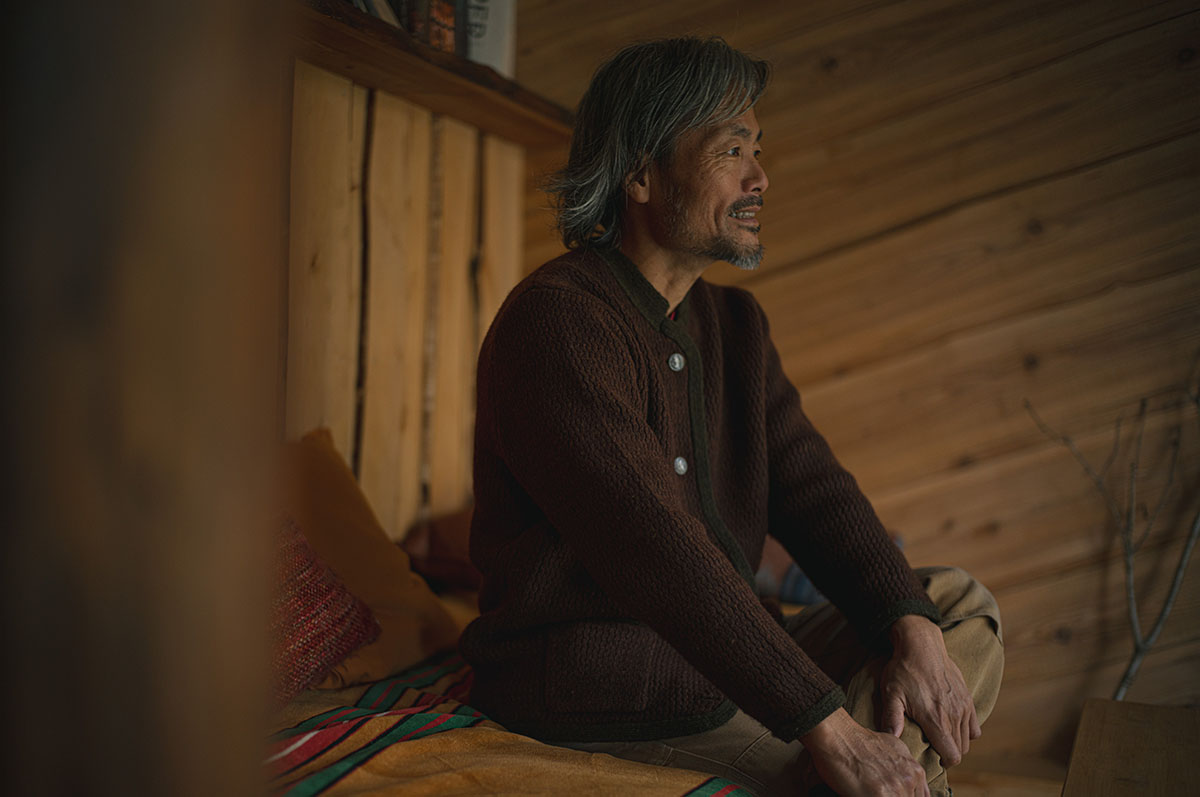
Born in Sapporo in 1966. He graduated from the Department of Architecture at Tokyo University of the Arts. After working at an architectural design firm, he joined the Shimokawa Town Forestry Cooperative in 1993, while also pursuing musical activities. In 2006, he left the cooperative and built a natural home using Hokkaido-sourced timber in Asahikawa. In 2019, he founded "Woodcutter Builders" - a construction initiative led by woodcutters themselves. In 2023, he built CORONTE, a cottage made from natural materials in Niki Town. The following year, he launched “Everyone’s Forest Forever,” an initiative dedicated to creating spaces where people can gather in forests and pass them on to future generations. He is also involved in training and nurturing professionals in the forestry industry.
minnanomori.net/#overview