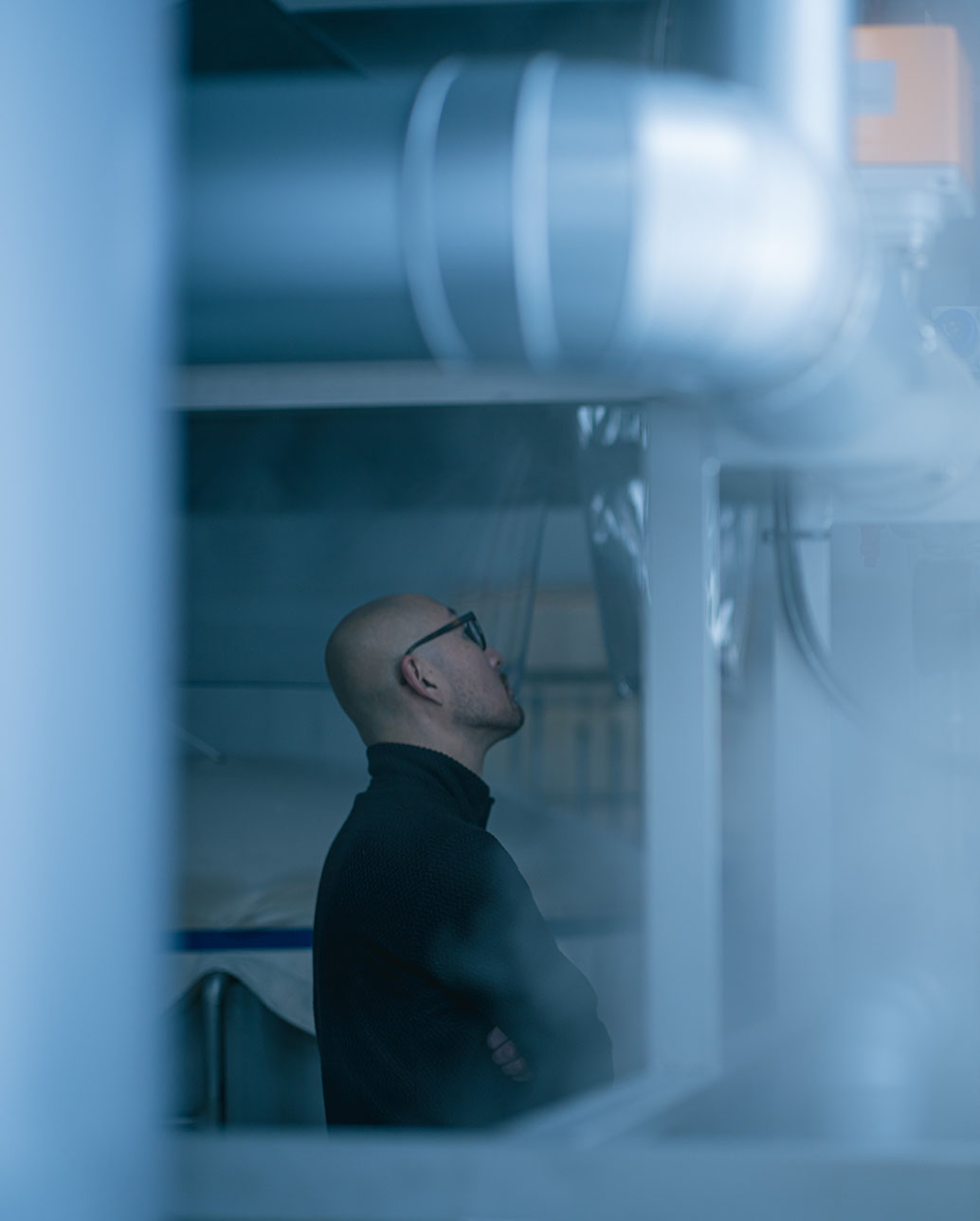
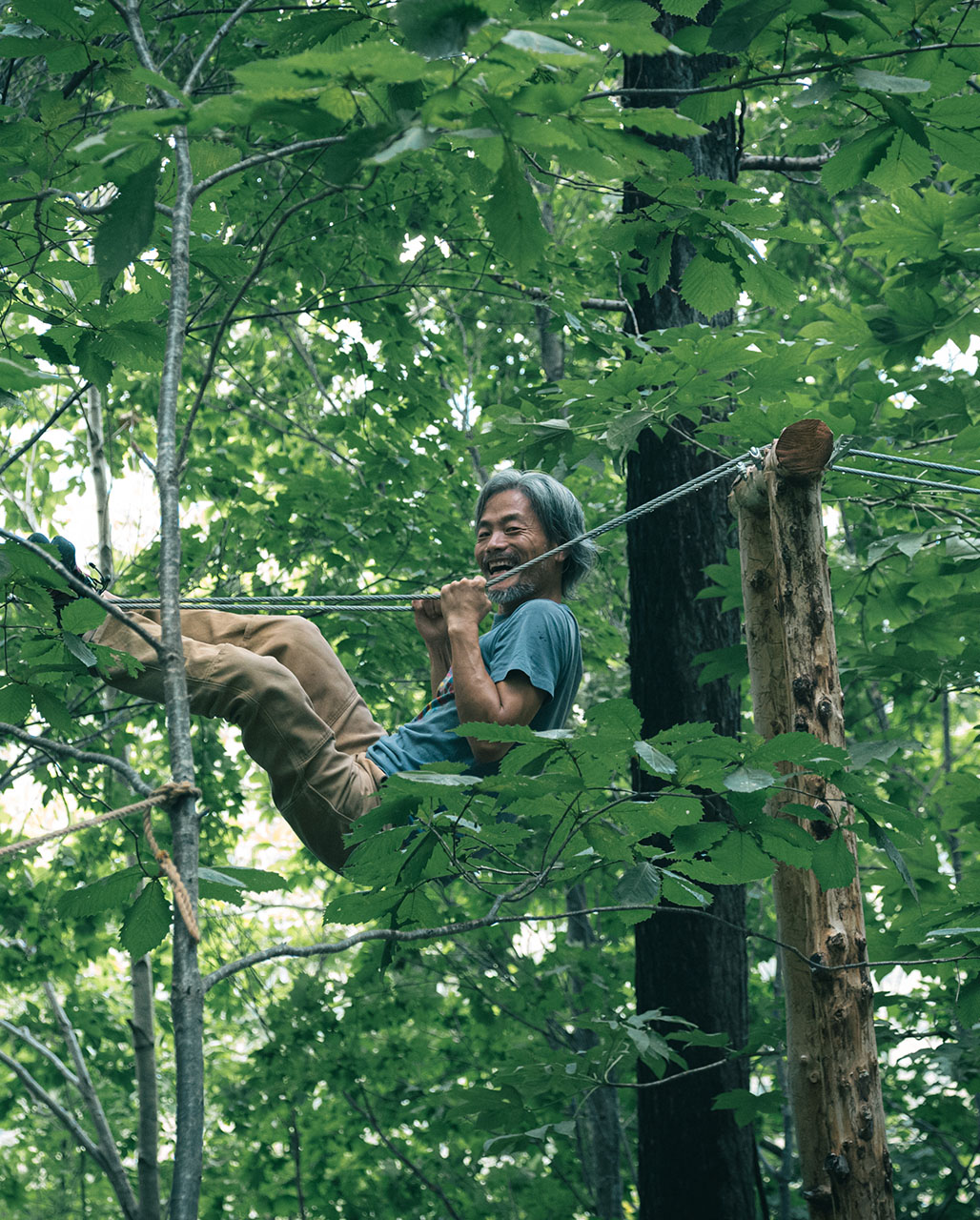
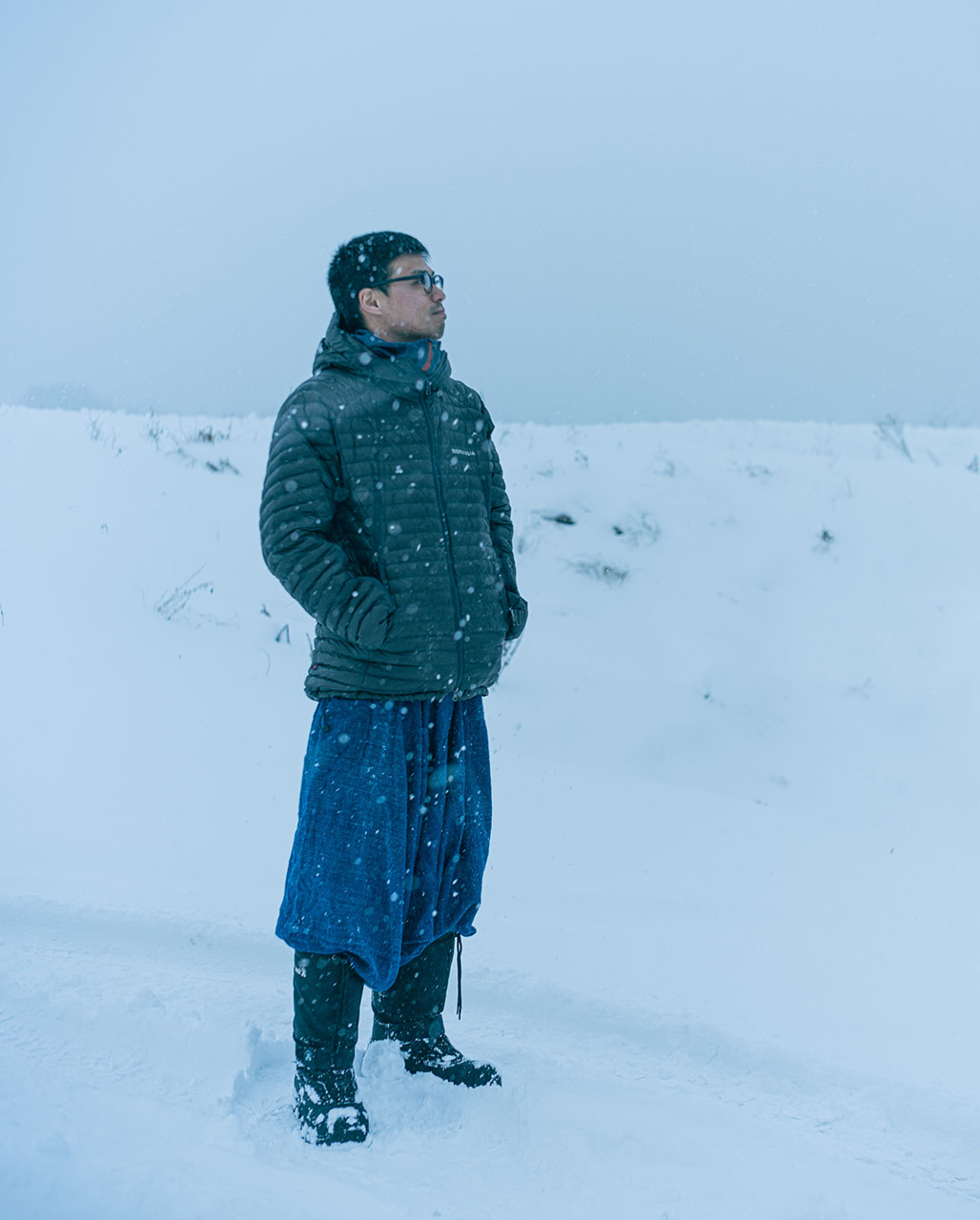
Kitahara’s encounter with Rankoshi began with the trial cultivation of sake rice in this rice-producing town. Because the variety had originated in Honshu, its growth proved difficult, and it was through consultations over these challenges that a new approach to sake brewing began to emerge. Kitahara chose Nanatsuboshi – a rice typically grown for everyday consumption – as his raw ingredient. He envisioned brewing sake from organically cultivated rice, grown without the use of chemically synthesized pesticides or fertilizers.
Kitahara: Since my time at Yamanashi Meijo, I had been brewing sake using specially cultivated rice from Hakushu, grown with the use of pesticides and chemical fertilizers reduced by half. That sake went on to receive Gold Prizes at the National New Sake Appraisal for two consecutive years. In the world of Junmai Daiginjo, Yamada Nishiki from Hyogo Prefecture is widely regarded as the finest possible ingredient, and there is a deeply rooted belief in the industry that “this flavor is only possible because of that rice. But I always felt a sense of unease with that way of thinking. Why, I kept asking myself, should we not use the rice that exists right where we live?
Once I began to think in terms of volume, it became impossible to limit myself to rice grown without fertilizers or with low pesticide use. I found myself forced to purchase rice whose place of origin and producer were no longer visible, and that created a deep sense of dilemma for me. In Rankoshi, I wanted to take things one step further than special cultivation – to commit fully to organic farming in every respect.
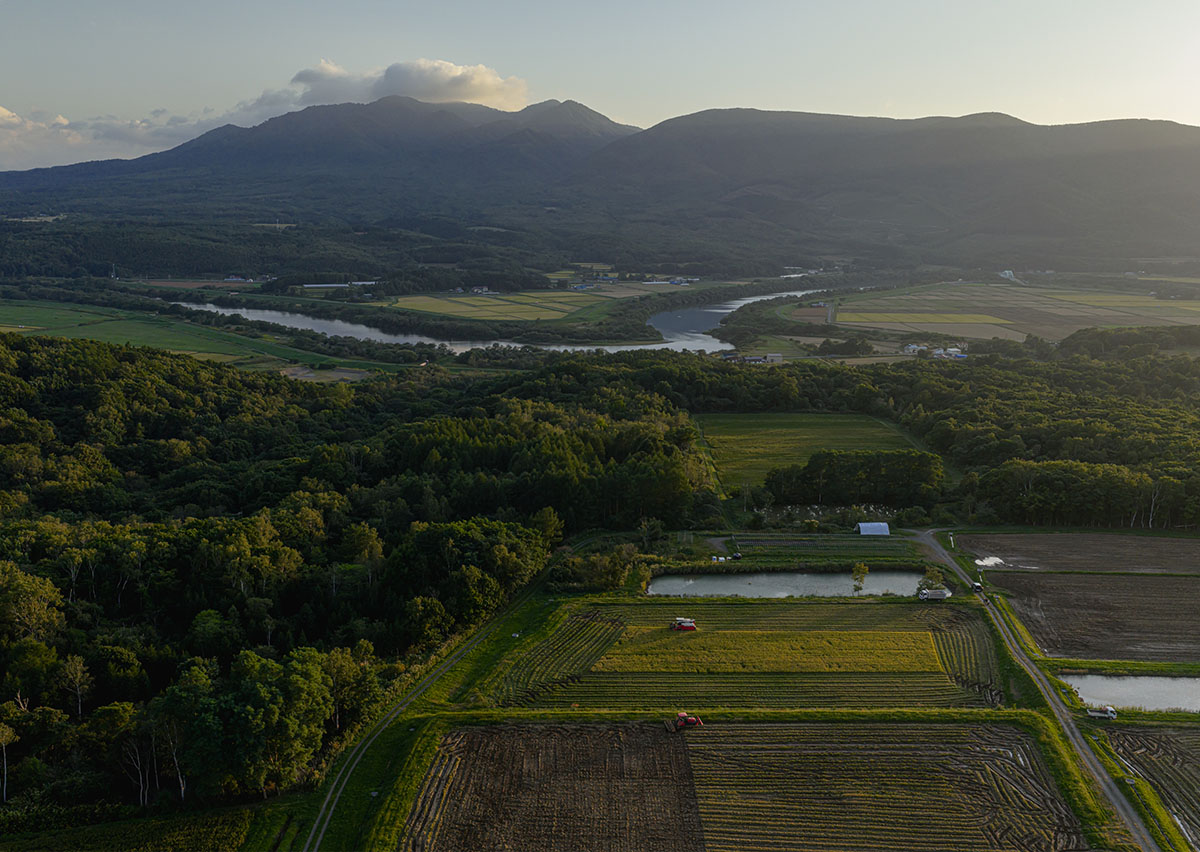
Finding producers willing to grow Nanatsuboshi organically was far from easy. Relying on the connections formed through earlier trial cultivation of sake rice, Kitahara spoke with many producers, yet cooperation was difficult to secure. In the end, what became his final and most vital thread of hope was a group of young growers centered around Takashi Saito. The group had already been engaged in organic farming and regularly held study sessions, and they resonated deeply with Kitahara’s way of thinking. As understanding of the brewery’s intentions gradually deepened, new producers began to emerge – farmers who chose to take up organic cultivation themselves.
Saito: Rankoshi rice is grown in the fertile lands of the Shiribetsu river basin and is widely known as a regional brand. Yet organic cultivation had been almost nonexistent. Rather than being satisfied with branding alone, we wanted to add another layer – safety and peace of mind. Rice can grow without the use of pesticides, and in fact becomes less susceptible to disease. 3 years ago, we obtained Organic JAS certification, the national standard awarded to agricultural products that meet Japan’s organic farming criteria.
Kitahara: Adding safety and peace of mind as a value brings economic benefits, while at the same time improving the ecosystem of the rice paddies themselves. Traditionally, the value of junmai daiginjo has been defined by polishing the rice as much as possible – removing everything but the starch at its core. Yet I feel it is more natural to preserve the rice’s original character, rather than refining it excessively. Moreover, sake rice is difficult to distribute legally as food, whereas Nanatsuboshi can also be enjoyed as rice at the table. This makes it possible to create new experiences that were simply not possible before.
At present, 10 farmers from different families are participating in this initiative, and once the differences in flavor begin to emerge, we believe it will become even more compelling. We conduct soil analyses for each individual field and hope to observe, over time, how the soil changes through the transition to organic cultivation. Through this ongoing process, we aim to further enhance the value of rice from Rankoshi.
Saito: Even within the same town, it’s often said that the flavor differs from one farmer to another. That’s why I’m genuinely looking forward to seeing the results of the analysis in Rankoshi.
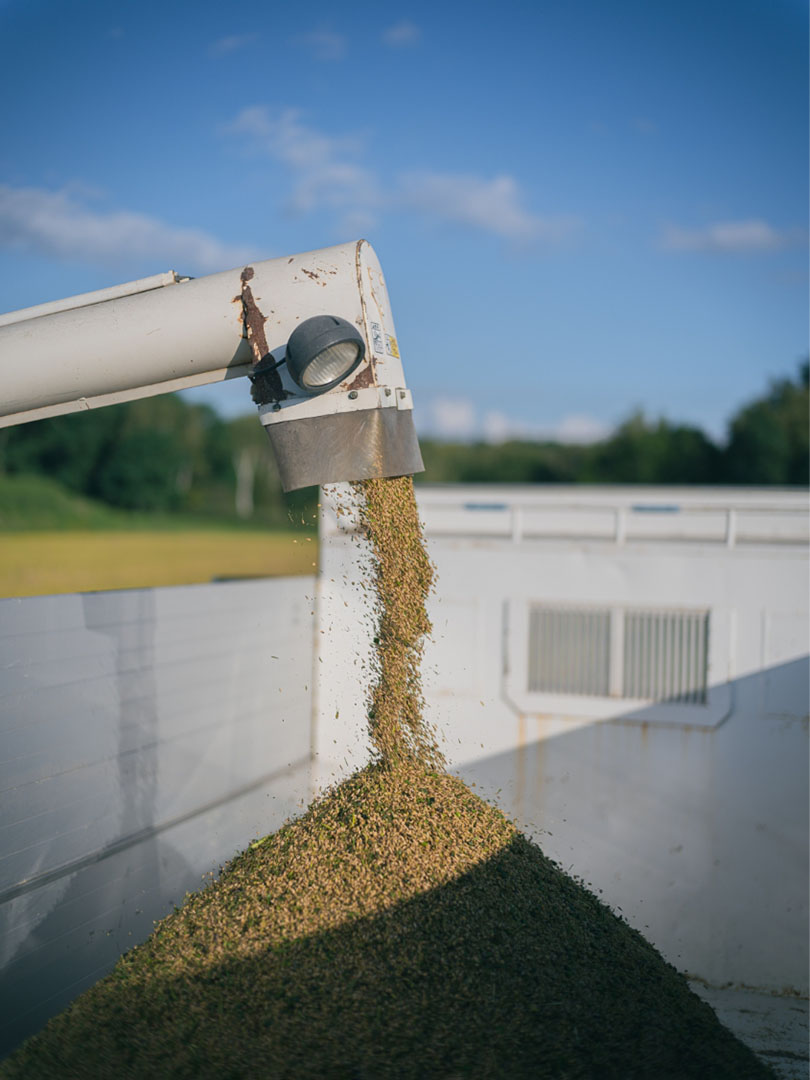
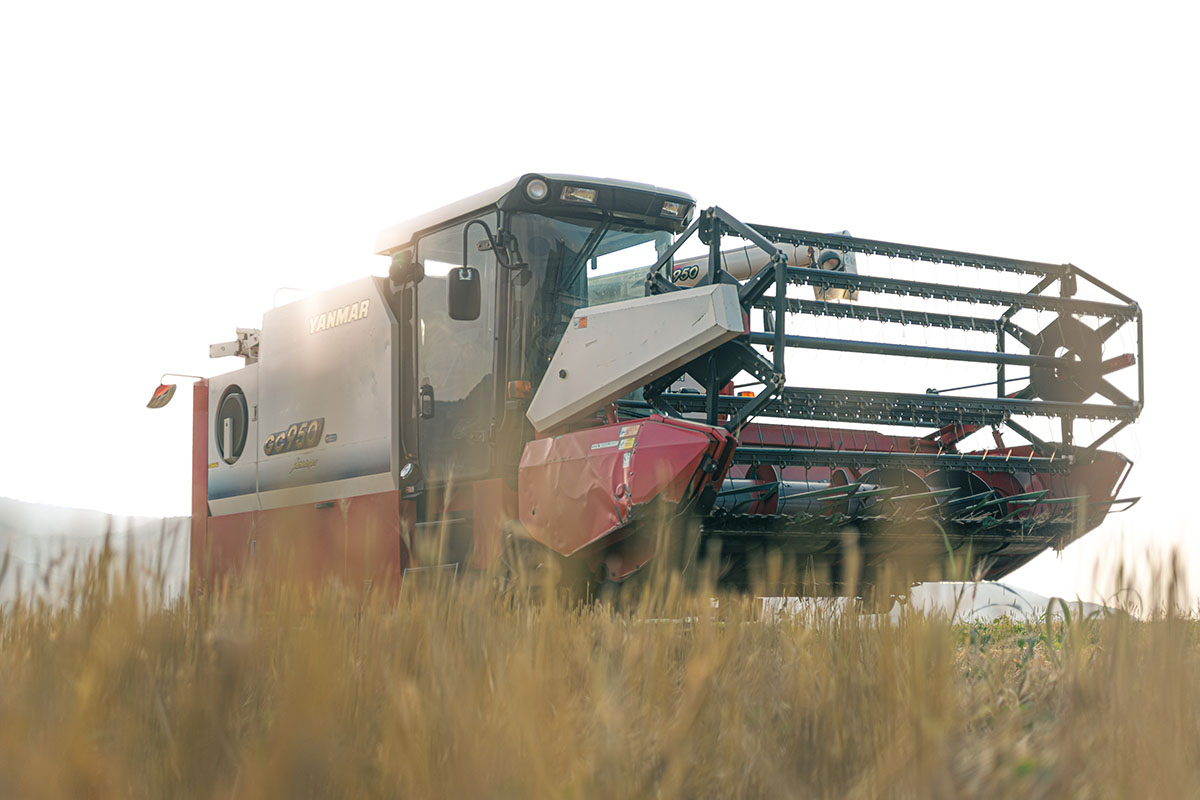
On the day of the interview, we visited the rice fields of Saito. Unlike the neatly uniform paddies we are accustomed to seeing, flowers of mizuaoi were blooming here and there among the rice plants. “We can’t quite keep up with the weeding” , laughing. Yet this toowas evidence of a diverse and thriving ecosystem. Saito first began to turn his attention toward organic farming at the age of 27. One of the turning points was a visit to an organic winery elsewhere in Hokkaido.
Saito: What struck me most, after speaking with the owner, was learning that a single person was responsible for working such a vast vineyard. I was told that tasks like harvesting and pruning were carried out with the help of the very people who purchased the wine. Through that conversation, I became convinced that when something truly good is created through natural cycles, there will always be people who seek it out.
Another turning point came when I underwent surgery for a brain tumor at the age of 27. The tumor was removed once, but a year later it began to grow again. My body no longer moved the way I wanted it to, and I found myself starting to think deeply about food and about how I was living my life. Through learning about the idea of food as medicine, I came to realize that human beings are sustained by what they eat. It was then that I began to feel that, in order to care for the body, the rice fields must be cared for as well and that was what led me to shift toward organic farming.
Kitahara: When I was 27, all I could think about was how far I could rise in competitions. I believed that unless I won awards, I would never be able to persuade those around me that my way of brewing sake was valid. Then the pandemic arrived, and competitions were no longer held. As I approached 40, a quiet but persistent question began to well up inside me: “Is it really okay to keep going like this?”
Saito: After inheriting the farmland from my parents, there was a period when I continued practicing conventional farming without ever truly feeling at ease with it. The same question “Is this really okay?” weighed heavily on me then as well. Even when I tried to think of it simply as work, spraying pesticides became increasingly painful. Now, I feel mentally lighter, and a steady group of customers who understand and support this approach has taken root. Looking ahead, I hope to share this method of cultivation more widely. With organic farming, it isn’t necessary to cultivate vast areas of land for the economics to work. I believe it offers a path that is especially accessible for those just beginning their lives as farmers.
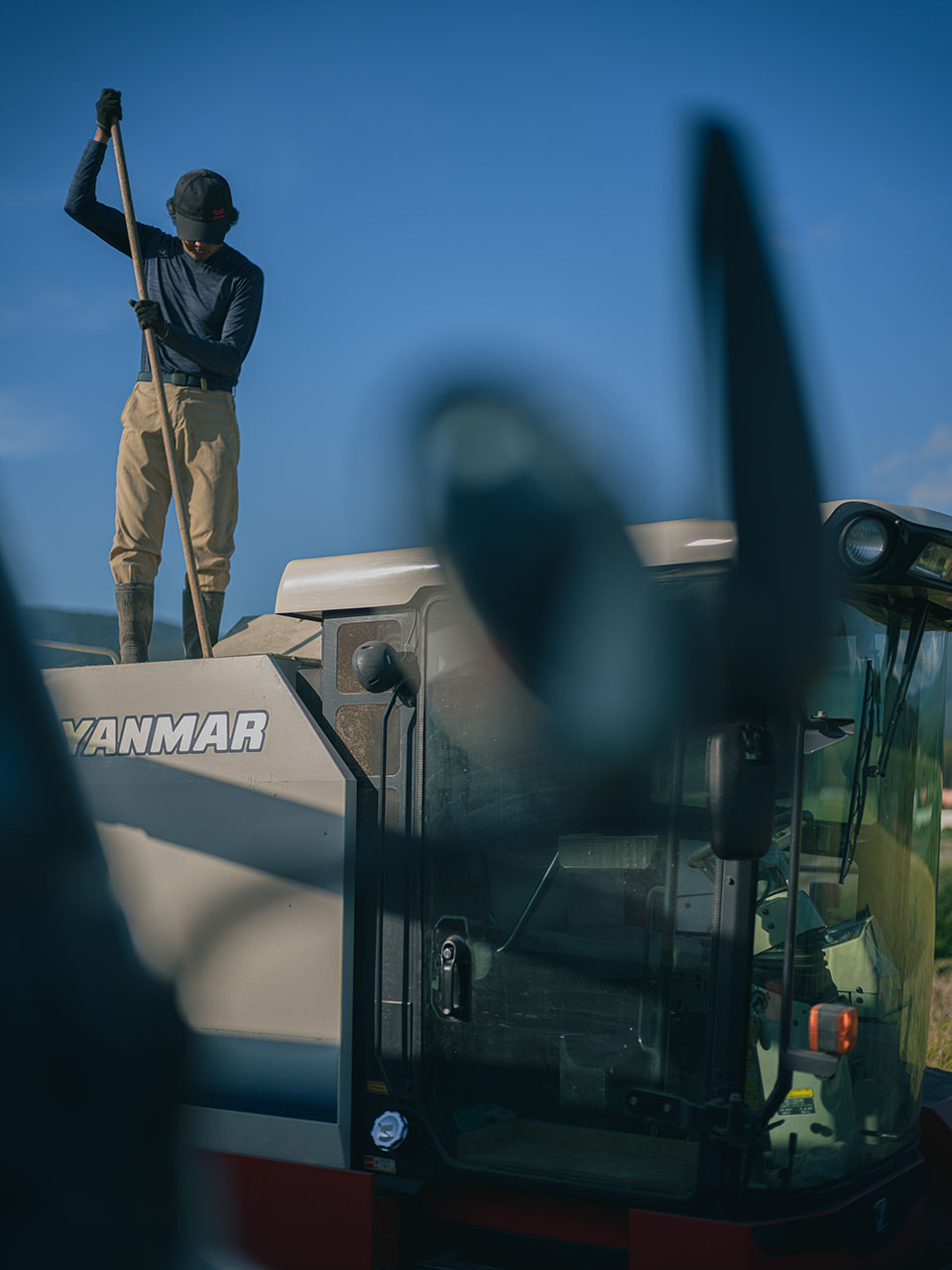
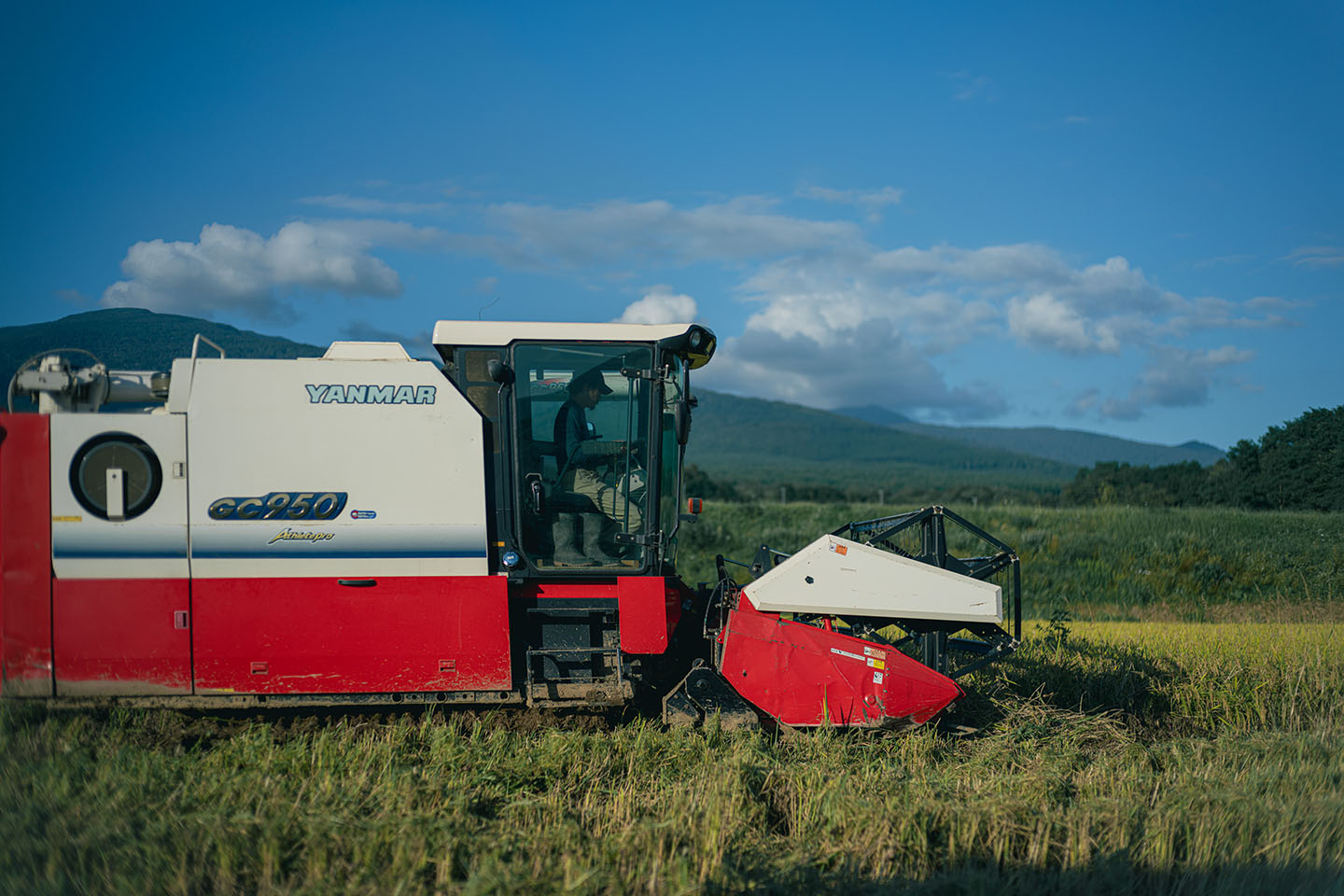
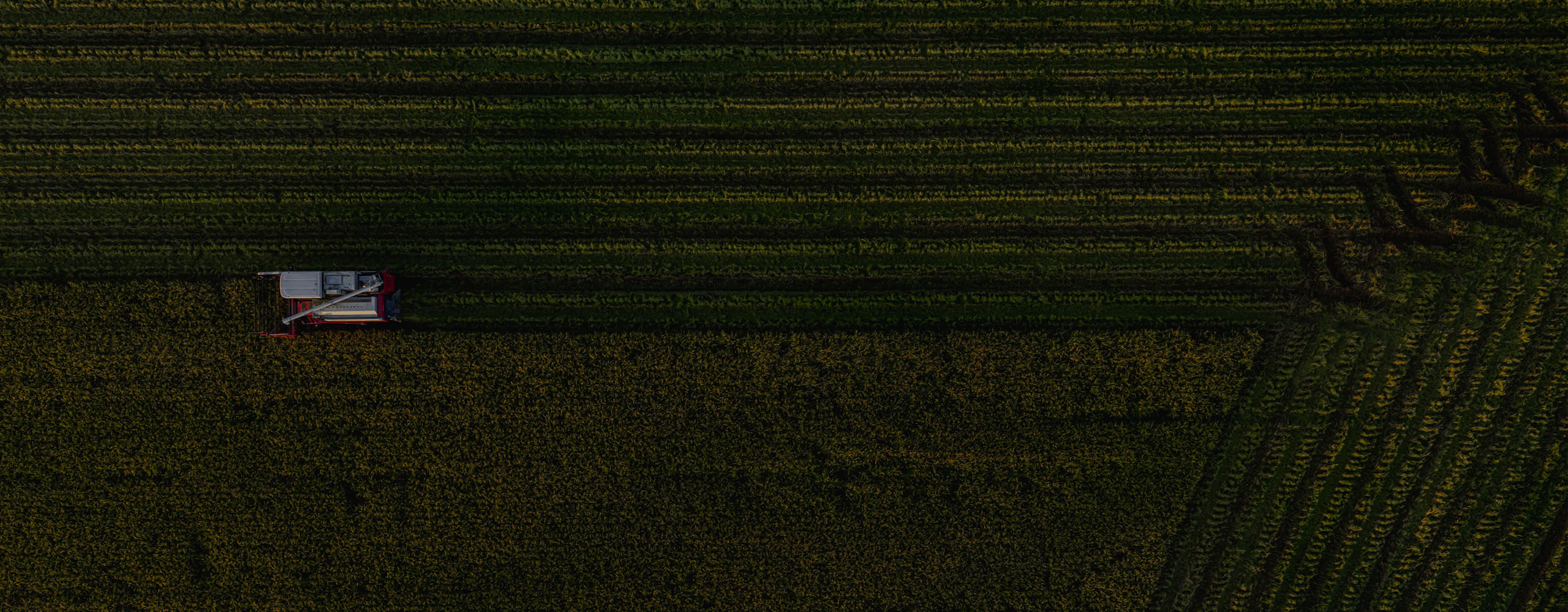
This spring, Kitahara took part in rice planting at Saito’s fields, and since then has continued to check on the crop whenever time allows. A relationship has emerged that goes beyond simply supplying raw materials. This winter, Saito is also expected to lend a hand in the brewing process.
Saito: I’ve never felt a brewery so close before. In the past, it felt distant to me – simply a place somewhere down the line that bought our rice. But after speaking with Mr. Kitahara, I learned that in earlier times, during the agricultural off-season, producers would travel to breweries to work there through the winter.
Kitahara: When I was a child, brewers would come from heavy-snow regions such as Koshiji Town in Niigata Prefecture, live together in dormitories and devote an entire winter to brewing sake. Today, advances in temperature-controlled facilities have extended the brewing season, making it difficult to align with farmers’ schedules. As a result, the culture of seasonal work at breweries has gradually faded. At Mori No Brewery, however, we continue to brew sake only in winter, following the traditional rhythm. Because of that, this year Mr. Saito will be joining us to help with the brewing.
Saito: I’ll be wearing a twisted headband” (laughing). Being able to stay involved all the way from producing something to actually tasting it feels completely new to me. I’m really looking forward to taking part.
Kitahara: I believe that breweries serve as hubs within their communities. They don’t simply create work; historically, they were also places where people brought a wide range of local concerns and conversations. During my time at Shichiken, we held a market at the brewery once a month, selling not only rice but also organically grown vegetables.
I want to develop something similar at Mori No Brewery. When people come together in one place, something inevitably begins to happen. I hope that a space like that can take shape here as well.
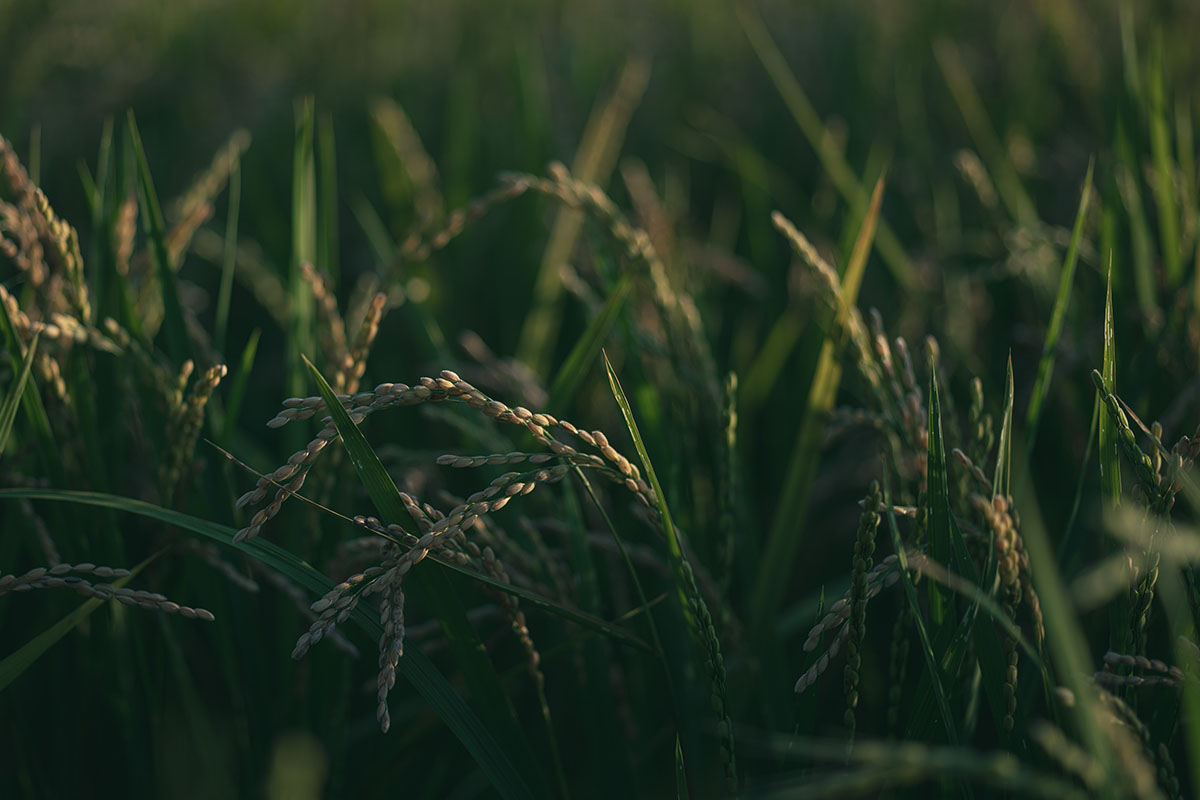
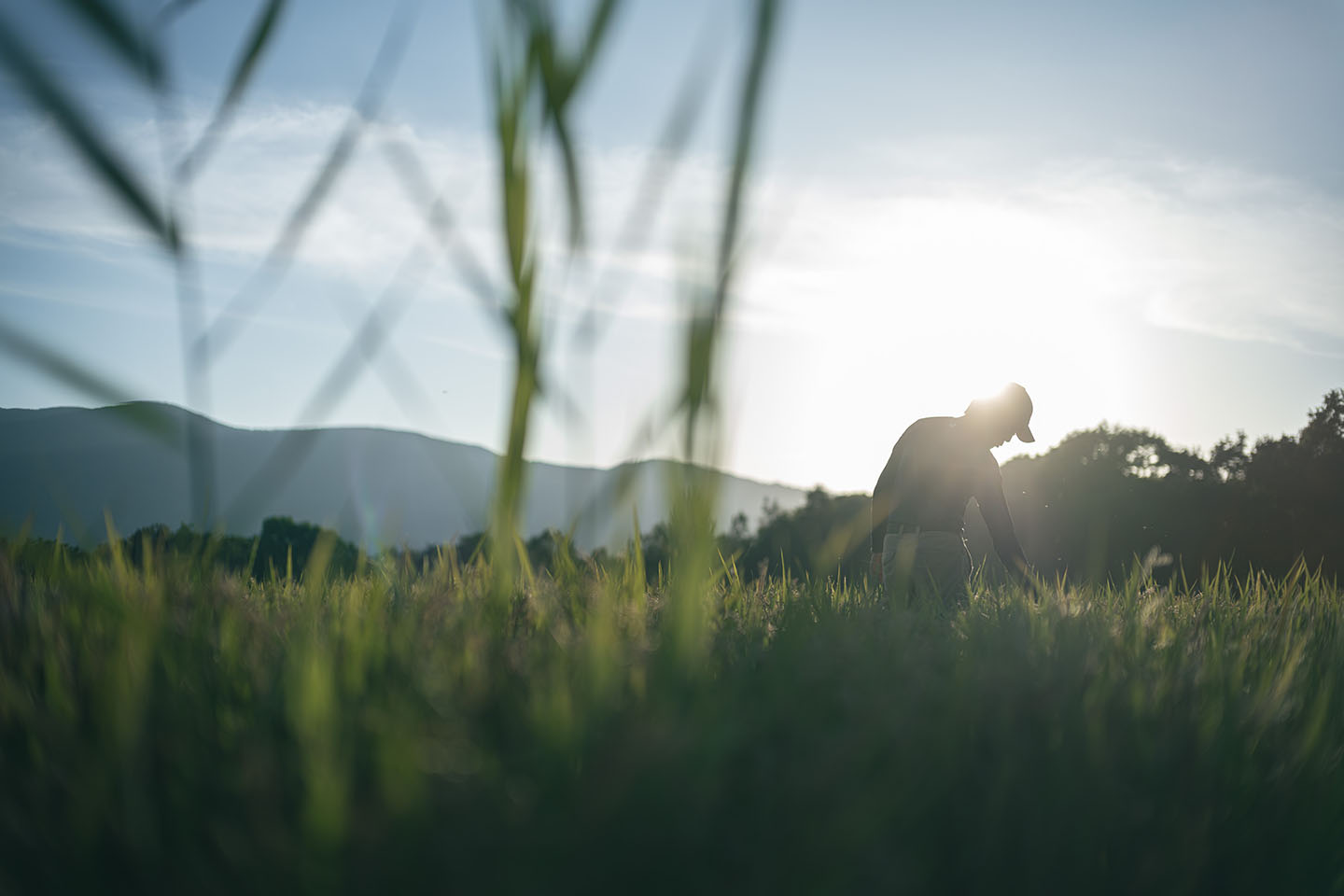
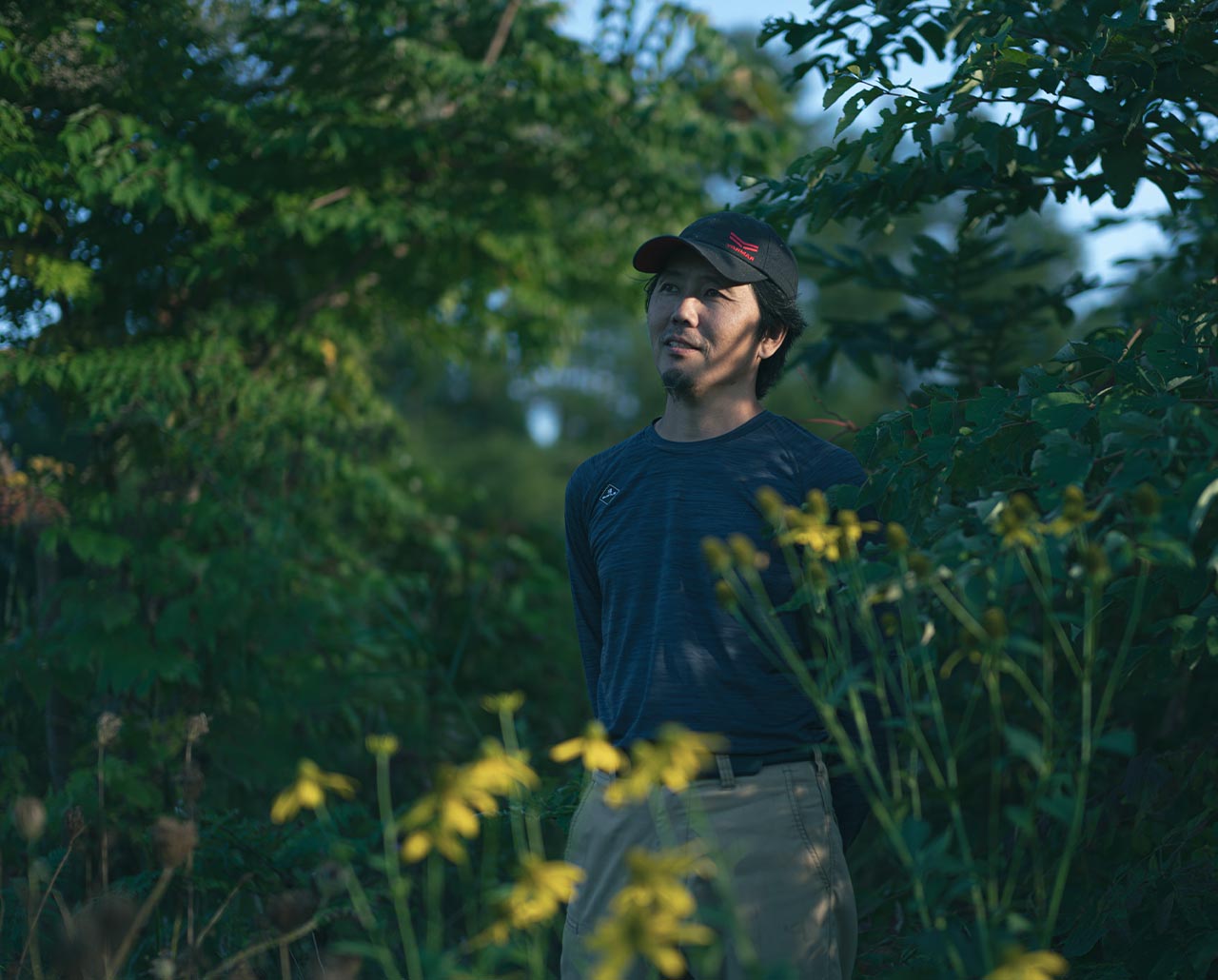
Born in Rankoshi Town in 1981, he worked for a local company while also supporting his family’s farm, officially inheriting the farmland at the age of 34. In 2019, he began cultivating rice without the use of fertilizers or pesticides, and in 2023 obtained Organic JAS certification. Together with young farmers from the region, he organizes study groups focused on organic farming, with the aim of creating new value for Rankoshi rice. The fertilizers used in his rice fields are derived entirely from natural sources, including seaweed and oyster shells.
www.saitofarm-rankoshi.com